HICLOVER Waste Incinerators: A Technical Deep Dive into Modern Thermal Destruction Systems
Understanding Waste Incinerator Technology: A Comparative Overview
Modern **waste incinerators** represent a critical component of comprehensive waste management strategies, particularly in scenarios demanding stringent hygiene and environmental control. These systems employ high-temperature thermal decomposition to reduce waste volume and neutralize hazardous components. A crucial aspect of incinerator performance is maintaining optimal operating temperatures, typically ranging from 850°C to 1100°C, to ensure complete combustion and minimize emissions. Achieving these temperatures reliably, while adhering to industrial standards such as those outlined by the WHO and EU emission frameworks, requires precise engineering and robust design. Long-tail variations in waste management solutions, such as **medical incinerator operating temperature standards**, are paramount for safe operation.
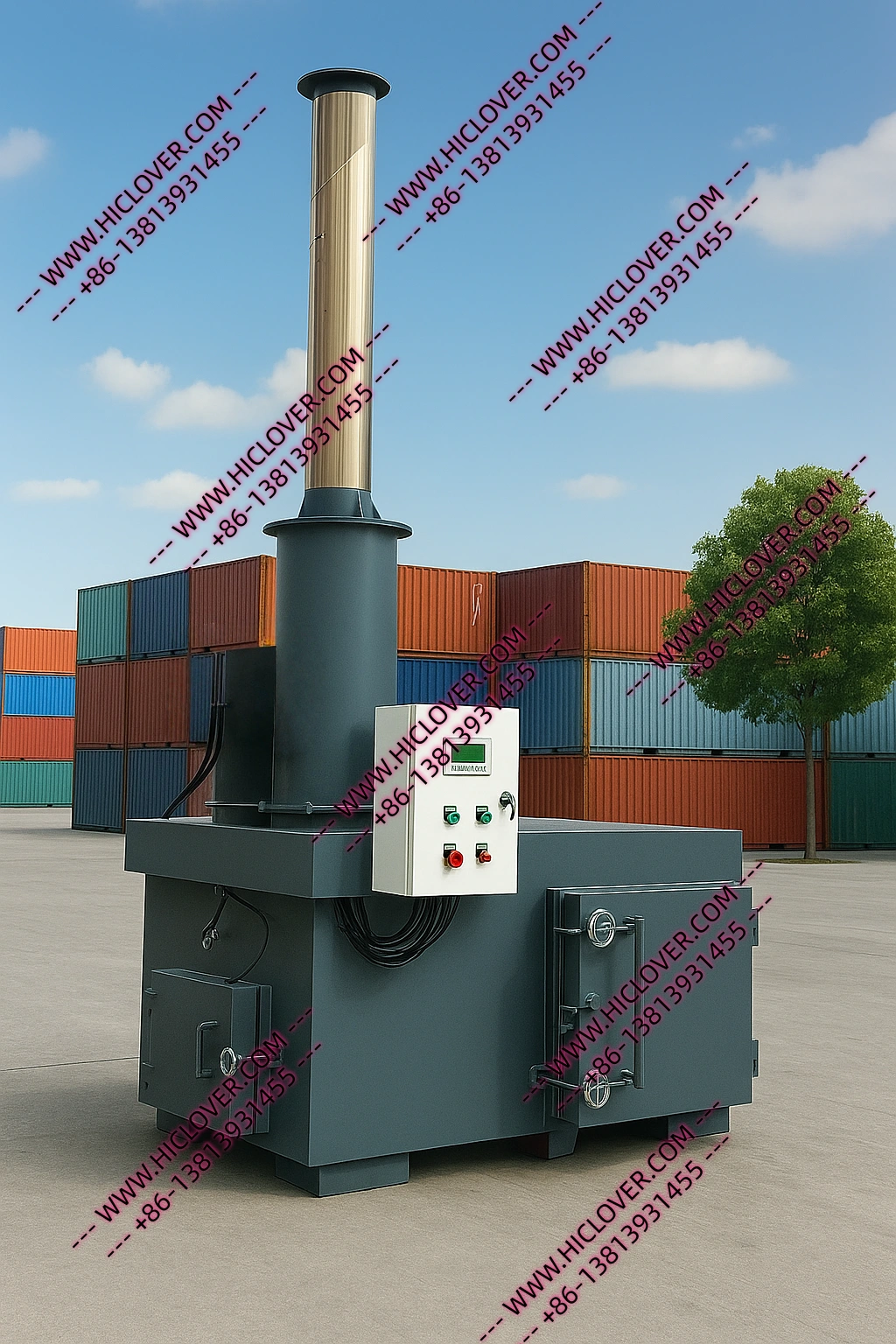
The core function of a **waste incinerator** is to convert waste materials into ash, flue gas, and heat. This process occurs within a combustion chamber, where waste is ignited and burned. The design of this chamber is critical for ensuring complete combustion. Most modern incinerators, particularly those designed for medical or hazardous waste, utilize a dual-chamber system. The primary chamber facilitates initial combustion, while the secondary chamber ensures complete oxidation of flue gases, minimizing harmful emissions. HICLOVER **waste incinerators** incorporate advanced dual combustion chambers to optimize efficiency and reduce environmental impact.
Dual Chamber Incineration: Principles and Advantages
Dual chamber incineration is a two-stage combustion process designed to enhance the efficiency and completeness of waste destruction. In the primary chamber, waste is heated in a controlled environment with limited oxygen, causing it to pyrolyze and release volatile gases. The solid residue, primarily carbon, is then combusted. The gases from the primary chamber then enter the secondary chamber, where they are mixed with additional oxygen and subjected to high temperatures (typically above 850°C) to ensure complete oxidation of any remaining organic compounds. This process significantly reduces the levels of pollutants such as dioxins, furans, and volatile organic compounds (VOCs) in the exhaust gas. High-temperature retention within the secondary chamber is vital for achieving these low emission levels.
The advantages of dual chamber incinerators are numerous. They offer superior emission control compared to single-chamber designs, making them suitable for treating hazardous and medical waste. The controlled combustion process also minimizes the formation of smoke and odors. Furthermore, dual chamber systems can handle a wider range of waste types and moisture content. HICLOVER engineering experience ensures our dual-chamber designs meet stringent global emission standards.
Technical Specifications and Engineering Principles in HICLOVER Waste Incinerators
HICLOVER **waste incinerators** are engineered with a focus on efficiency, reliability, and environmental responsibility. Our systems are available in various configurations, including fixed and containerized models, to suit diverse application requirements. The choice between a fixed and containerized incinerator depends largely on the specific needs of the client. Fixed incinerators are typically installed at permanent waste management facilities and are designed for high-volume, continuous operation. Containerized incinerators, on the other hand, offer greater flexibility and mobility. These self-contained units can be easily transported to remote locations or areas with limited infrastructure, making them ideal for emergency response, disaster relief, and temporary waste management needs. HICLOVER offers containerized modular systems for rapid deployment and ease of relocation.
Key technical specifications include chamber volume, thermal capacity (measured in kg/hr), and fuel consumption. HICLOVER offers customizable chamber volumes to accommodate varying waste volumes. Our incinerators can be configured to operate on multiple fuel types, including diesel, LPG, and natural gas, providing operational flexibility. The choice of fuel can impact both operating costs and emissions, with natural gas generally being the cleanest burning option. The **incinerator heat** generated can also be harnessed for energy recovery, further enhancing the sustainability of the system.
Control systems are another critical aspect of incinerator design. HICLOVER offers both PLC (Programmable Logic Controller) automated systems and manual control options. PLC automation provides precise control over combustion parameters, optimizing efficiency and minimizing emissions. Manual control offers a more hands-on approach, suitable for smaller operations or situations where advanced automation is not required. The decision between PLC vs manual control hinges on factors such as operational complexity, budget, and the level of operator training available.
Furthermore, HICLOVER **waste incinerators** can be equipped with either dry or wet scrubbers to further reduce emissions. Dry scrubbers use chemical reagents to neutralize acid gases in the flue gas, while wet scrubbers use liquid solutions to trap particulate matter and pollutants. The choice between a dry scrubber vs wet scrubber depends on the specific pollutants being targeted and the overall emission requirements. HICLOVER’s factory manufacturing capability allows us to integrate either type of scrubber seamlessly into our incinerator systems.
[https://www.google.com/search?q=medical+waste+incinerator+emission+control+technology](www.google.com/search?q=medical+waste+incinerator+emission+control+technology)
HICLOVER’s Factory Advantages and Global Export Capability
Choosing a factory-direct supplier like HICLOVER offers significant advantages over working with trading companies. We provide direct access to engineering expertise, ensuring that the incinerator is tailored to your specific needs. Our stable supply chain and rigorous quality control processes guarantee reliable performance and long-term durability. HICLOVER has over 16 years of experience in the **waste incinerators** industry. This wealth of experience allows us to accurately assess client needs and develop custom solutions.
HICLOVER excels in serving diverse market applications. Our expertise includes technology selection, custom solution design, and financial planning tailored to client needs. Trusted globally, we deliver efficient, cost-effective waste management systems built on innovation and reliability. Partner with us for proven solutions and industry-leading expertise.
HICLOVER is a global exporter of **waste incinerators**, with a proven track record of delivering systems to challenging environments. Our mobile plug-and-play designs are particularly well-suited for remote sites and crisis zones, offering rapid deployment and ease of operation. We understand the unique challenges of decentralized waste management and have developed solutions specifically tailored to these needs. For areas such as **Somalia animal incinerater, Malawi china lab waste incinerators, Chad incinerator 15 kg**, HICLOVER can provide specifically tailored solutions.
Applications and Compliance: Meeting Global Waste Management Challenges
HICLOVER **waste incinerators** play a crucial role in addressing several pressing global challenges. In the context of global infectious disease preparedness, our systems provide a safe and effective means of disposing of medical waste, preventing the spread of pathogens. In crisis zones and humanitarian camps, where access to conventional waste management infrastructure is limited, our containerized incinerators offer a rapid and reliable solution.
Furthermore, HICLOVER is committed to supporting carbon emission reduction efforts. While incineration does produce CO2 emissions, modern incinerators can be equipped with energy recovery systems to capture waste heat and generate electricity, reducing reliance on fossil fuels. Our systems are designed to meet stringent ESG compliance standards, ensuring that our clients can operate in an environmentally responsible manner.
The increasing pressure for ESG compliance is driving demand for cleaner and more efficient waste management solutions. HICLOVER **waste incinerators** are designed to meet these demands, offering advanced emission control technologies and energy recovery options. By investing in HICLOVER technology, organizations can demonstrate their commitment to environmental sustainability and social responsibility.
Digital automation in industrial equipment is transforming the way waste management systems are operated and maintained. HICLOVER’s PLC-controlled incinerators offer remote monitoring and control capabilities, allowing operators to optimize performance and diagnose potential issues from anywhere in the world. This increased visibility and control can lead to significant improvements in efficiency and reliability. HICLOVER products, including Containerized Mobile Incinerator ,Top Loading Incinerator , Automatic Incinerator , medical **waste incinerator**, animal **waste incinerator**, pets cremation incinerator and other solid **waste incinerator**, with diesel oil type incinerator , natural gas type incinerator , LPG type incinerator , optional wet scrubber system, Italy brand burner ,PLC control system, multiple combustion chamber , Heat recovery function, etc.
[https://www.hiclover.com/](www.hiclover.com/) offers comprehensive information on available configurations and customization options. Factory direct supply ensures competitive pricing and direct access to engineering support.
HICLOVER **waste incinerators** represent a technically advanced and globally applicable solution for modern waste management challenges. By focusing on engineering excellence, regulatory compliance, and customer-specific needs, HICLOVER provides reliable and sustainable solutions for a cleaner and healthier future.
Comments are closed